There’s nothing quite as unsettling as getting into your car, turning the key, and being greeted by the strong smell of gasoline.
Not only is it unpleasant, but it can also signal a problem that needs your attention. If your car smells like gas, it’s essential to find the cause and fix it promptly.
In this guide, we’ll explore the possible reasons behind that gas odor and explain what you should do about it.
Why Does My Car Smell Like Gas?
1. Fuel Leaks
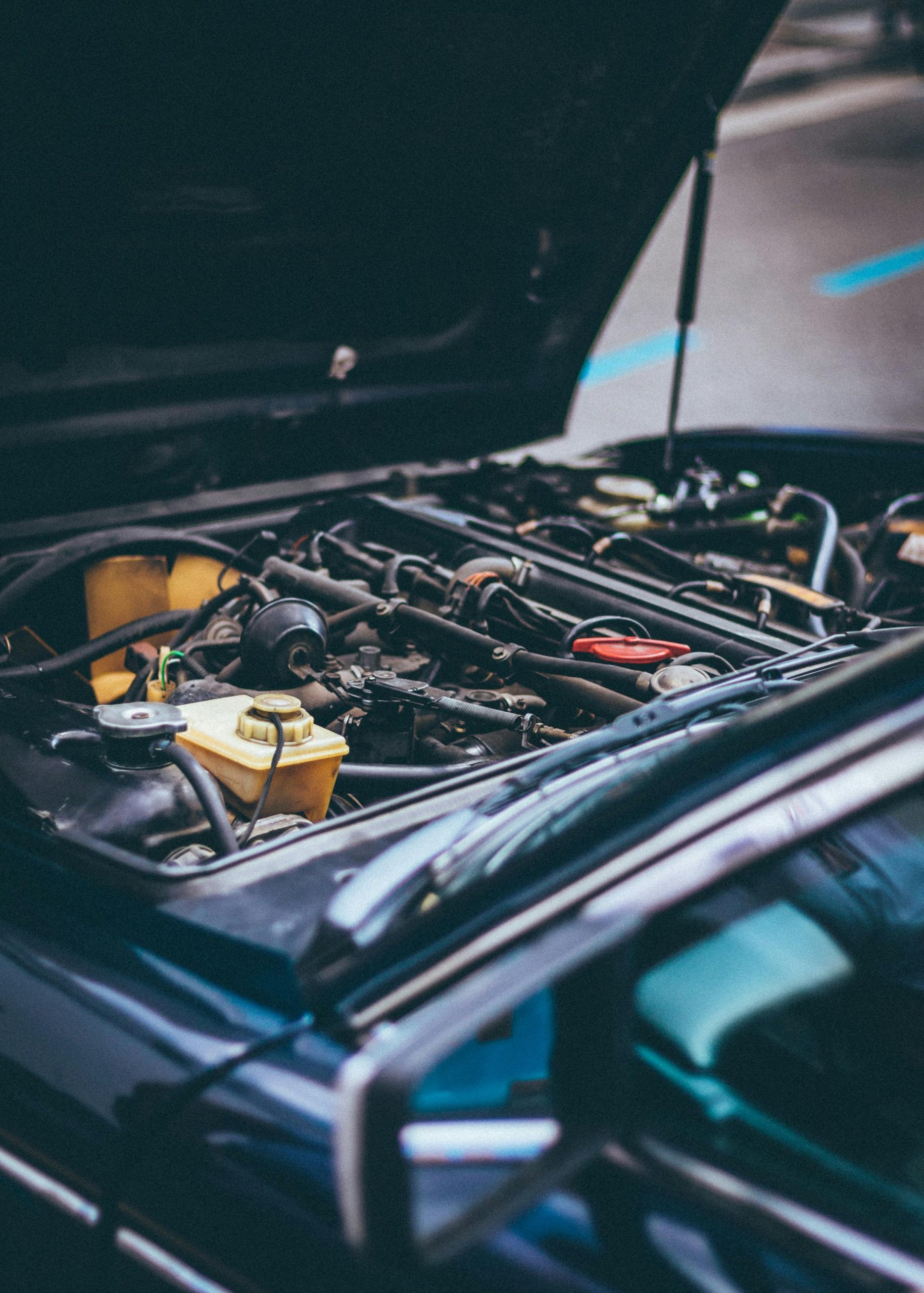
One of the most common reasons for a gasoline smell is a fuel leak. Gasoline can escape from the fuel lines, injectors, fuel tank, or other components in your car’s fuel system. Even a small leak can produce a noticeable odor. These leaks are not only wasteful but can also pose a significant safety hazard, as gasoline is highly flammable.
2. A Loose or Damaged Gas Cap
Sometimes the solution is as simple as a loose or damaged gas cap. The gas cap seals the fuel tank and prevents vapors from escaping. If it’s not tightened properly or has cracks, it can let gasoline fumes escape, leading to that telltale smell.
3. Worn-Out Fuel Injectors
Fuel injectors deliver fuel to your engine, and over time, their seals or connections can wear out. When this happens, gasoline might seep out, creating a smell inside or outside your car.
4. Exhaust Fumes
Exhaust fumes that smell like gas can enter your car’s cabin if there’s a problem with your exhaust system, such as a broken pipe or a damaged catalytic converter. This is especially dangerous because exhaust fumes can also contain carbon monoxide, which is harmful when inhaled.
5. Spilled Gasoline
Sometimes, the smell isn’t due to a malfunction but a spill. If you recently refueled your car and spilled a little gas on the side of the car or the ground, the odor might linger until it evaporates.
6. Overfilled Fuel Tank
If you top off your fuel tank after the pump automatically stops, you might accidentally cause fuel to overflow. This can lead to gasoline smells as the excess fuel leaks out or evaporates.
7. A Faulty Charcoal Canister
Modern cars are equipped with a charcoal canister that captures and stores fuel vapors to prevent them from escaping into the environment. If this canister is damaged or clogged, vapors can leak, causing a gasoline smell.
What Should You Do About It?
1. Check the Gas Cap
The first thing you should do is inspect your gas cap. Ensure it’s tightened properly and check for any visible damage like cracks or worn-out seals. If you suspect the gas cap is the culprit, replace it—it’s an inexpensive fix that could solve the issue.
2. Look for Visible Leaks
Inspect your car for signs of fuel leaks. Look underneath the vehicle for wet spots or puddles of gasoline. If you spot a leak, do not attempt to drive the car. Instead, have it towed to a mechanic for repairs.
3. Visit a Mechanic
If you can’t identify the source of the smell or suspect it’s coming from the fuel injectors, exhaust system, or charcoal canister, it’s best to have a professional inspect your vehicle. Diagnosing and repairing these issues often requires specialized tools and expertise.
4. Ventilate Your Car
While waiting to address the problem, make sure to ventilate your car to minimize the buildup of gasoline fumes. Roll down the windows when driving to keep fresh air circulating through the cabin.
5. Avoid Smoking or Open Flames
Gasoline vapors are highly flammable. Until the issue is resolved, avoid smoking, using open flames, or any activities that could ignite the fumes.
6. Don’t Overfill the Tank
When refueling, stop when the pump clicks off. Avoid topping off the tank to prevent overflow and unnecessary vapor release.
When to Seek Immediate Help
Certain situations require urgent attention:
- Strong gas smell combined with performance issues: If your car smells like gas and is also experiencing problems like stalling or difficulty starting, there could be a severe issue with the fuel system.
- Smell of gas after an accident: If the odor starts after a collision, it could indicate damage to the fuel tank or lines.
- Persistent odor with no clear cause: If the smell lingers despite your efforts to identify and fix it, have your car inspected by a professional.
The Importance of Addressing Gas Smells
Ignoring a gas smell in your car can lead to serious consequences, including:
- Fire Risk: Gasoline leaks are a fire hazard. Even a small spark can ignite fuel vapors, putting you and others in danger.
- Health Concerns: Prolonged exposure to gasoline fumes can cause headaches, dizziness, and respiratory problems.
- Environmental Impact: Leaking fuel contributes to air and soil pollution, harming the environment.
By addressing the issue promptly, you protect yourself, your passengers, and the environment.
Final Thoughts
If your car smells like gas, don’t ignore it. While some causes, like a loose gas cap, are simple to fix, others require immediate professional attention.
Understanding the possible reasons behind the smell and knowing what steps to take can save you time, money, and potential danger. Stay proactive, and your car will stay safe and reliable for miles to come.