Most people know that brake pads wear out. But many don’t realize that brake fluid is just as important for keeping your car safe. It’s the liquid that makes your brake system work.
Without it, pushing the pedal won’t do much—no matter how new your pads are.
Brake fluid doesn’t last forever. It can get dirty, go low, or absorb water over time. And when that happens, your brakes can feel soft, slow, or even stop working right.
The good news? You can check it yourself in just a few minutes—with no special tools and zero mechanic experience.
Let’s break it down step-by-step so you can learn how to check brake fluid like a pro.
What Is Brake Fluid and Why Should You Care?
Brake fluid is a hydraulic fluid. That means it moves pressure from one part of the brake system to another. When you press the brake pedal, that pressure travels through brake lines, powered by the fluid, and pushes the brake pads against the wheels to slow the car.
If the brake fluid is dirty, low, or full of air bubbles:
- Your car won’t stop as quickly
- The brake pedal may feel squishy or go too far down
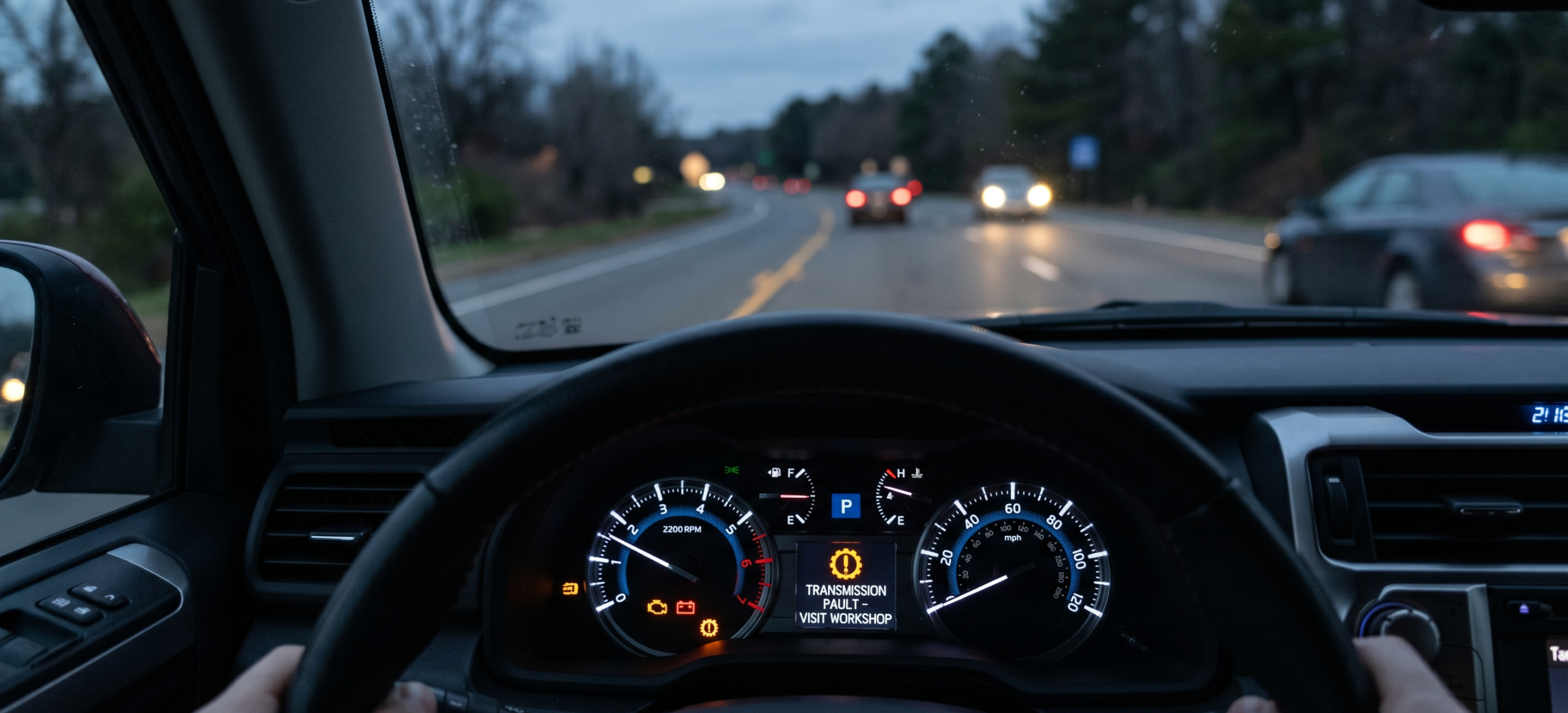
- The warning light might come on
- Worst case: brake failure, which is extremely dangerous
This is why checking your brake fluid should be part of regular car care. It’s quick, easy, and can help prevent big problems later.
What Tools Do You Need?
You don’t need a full toolset or a fancy garage. Here’s all you need to check your brake fluid like a professional:
- Clean rag or paper towel
- Flashlight (optional, for better visibility)
- Owner’s manual (helpful for locating parts)
- Gloves (optional but recommended)
That’s it. No jack, no wrench, no stress.
Step 1: Park and Pop the Hood
Always start with safety:
- Park your car on a flat surface.
- Turn off the engine and let it cool down for a few minutes.
- Pull the parking brake.
- Open the hood by pulling the lever inside your car (usually under the dashboard on the driver’s side).
If you’re not sure how to open the hood, the owner’s manual will guide you.
Step 2: Locate the Brake Fluid Reservoir
Once the hood is open, look for the brake fluid reservoir. It’s usually a small, plastic container mounted near the back of the engine bay on the driver’s side.
- The cap should say “Brake Fluid”
- The container is often translucent, so you can see the fluid level
- You’ll see “MAX” and “MIN” markings on the side
If you can’t find it, check your car manual for the exact location.
Step 3: Inspect the Fluid Level
Now comes the main part—checking how much fluid is in the reservoir.
- If the fluid level is between the MIN and MAX lines, you’re in good shape.
- If it’s below the MIN line, you need to add more.
- If it’s above the MAX line, it might be overfilled, which can cause pressure problems.
Use a flashlight if needed to see the level more clearly, especially if the container is cloudy.
Tip: Never shake or tip the reservoir. You don’t want to introduce air bubbles or dirt into the system.
Step 4: Check the Fluid Color and Condition
Brake fluid should be clear or pale yellow. But over time, it turns darker—from gold to brown, and eventually black.
What different colors mean:
- Clear or light yellow = Good condition
- Brown or dirty = Time for a change
- Black or has particles = Get a full brake fluid flush
If the fluid is too dark, don’t just top it off. You need to change it to avoid brake system damage.
Step 5: Add Brake Fluid (Only If Needed)
If the fluid is low, here’s how to top it up:
- Check the cap to see what type of fluid your car needs (usually DOT 3, DOT 4, or DOT 5.1).
- Wipe the cap clean before opening to prevent dirt from falling in.
- Slowly pour brake fluid into the reservoir until it reaches just below the MAX line. Don’t overfill!
- Close the cap tightly.
Warning: Do NOT mix brake fluid types. Always use the exact type listed in your owner’s manual or on the cap.
Step 6: Clean Up and Close the Hood
Brake fluid is powerful stuff. It can eat away at paint, so:
- Wipe off any spills immediately
- Use your rag or towel to clean around the reservoir
- Tightly close the cap so no air or moisture gets in
- Close the hood securely
You’re done! That’s all it takes to check brake fluid like a pro.
How Often Should You Check Your Brake Fluid?
To keep your brakes working safely, follow these rules:
- Check the fluid once a month or at least every few months
- Check before long road trips
- Replace the fluid every 2–3 years or as suggested in your car manual
- Always check it if your brake warning light turns on
Don’t ignore it—this little check can save you from a big accident.
Watch for Warning Signs
Even if you check regularly, watch for these signs your brake fluid or system needs attention:
- Spongy brake pedal
- Delayed stopping
- Brake warning light stays on
- Burning smell after braking
- Grinding or squeaking sounds
If you notice any of these, take your car to a mechanic. It could be a fluid issue, or something deeper like worn-out pads or air in the brake lines.
Final Pro Tips for Brake Fluid Checks
Here are a few expert tips to keep in mind:
- Don’t leave the cap open for long—brake fluid pulls in moisture from the air, which can weaken it.
- Store brake fluid in its original container, tightly sealed.
- Don’t reuse old brake fluid—once opened, its shelf life is limited.
- Be careful with spills—this stuff can damage paint, plastic, and skin.
Conclusion: Big Safety in a Small Check
Your car depends on brake fluid every time you hit the pedal. And while it might seem like a small detail, keeping it clean and full could save your life.
The best part? You don’t need to be a car expert to do it. In just a few minutes, you can check it like a pro—no tools, no fuss, no stress.
So make it a habit. A quick monthly check could prevent accidents, expensive repairs, or even brake failure. Safe driving starts with small, smart steps—like this one.