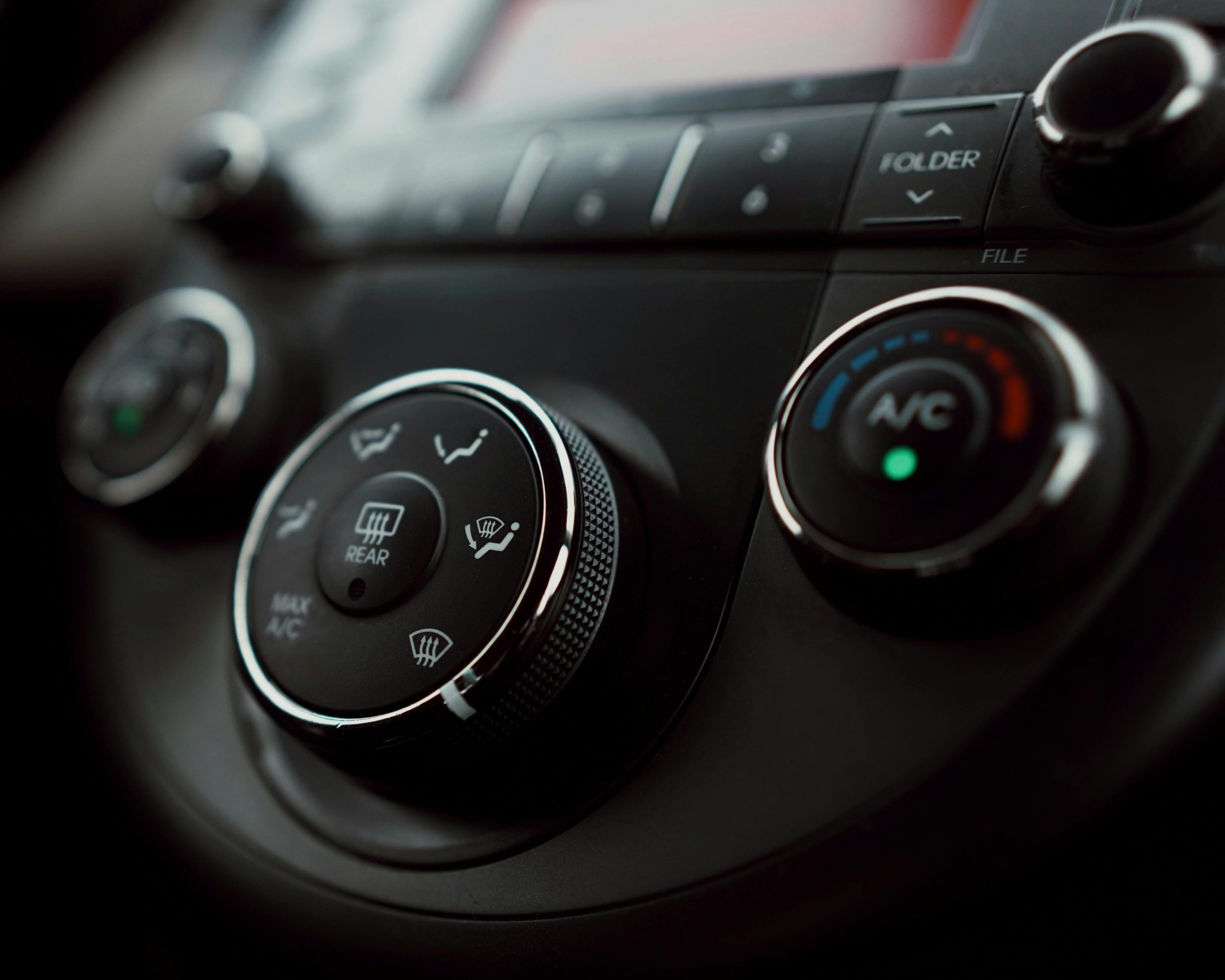
Imagine you’re on a long-awaited road trip and suddenly your car begins to sputter the dashboard lit up like a Christmas tree.
You’ve hit a bump, but it’s not the end of the road. Understanding the basics of car trouble, such as recognizing the cry for help when your brakes squeal or the oil light flickers, empowers you to take corrective action before things escalate.
By learning to diagnose these common issues yourself, you’re not just saving money but also extending your vehicle’s life. But where should you start, and what tools will you need to decode your car’s mysterious warnings?
Identifying Brake Problems
If you hear squeaking or grinding noises when braking, it’s likely time to replace your worn brake pads. This common issue impacts your driving experience and can jeopardize your safety. You’re not alone in this; many drivers face similar challenges, and recognizing these signs early can save you time and money.
Additionally, keep an eye on your dashboard for the brake warning light. If this light illuminates, it’s a direct signal from your car that something’s amiss in your brake system.
This could range from low brake fluid to more severe issues like a malfunctioning brake system component. Don’t overlook this warning addressing it promptly ensures you remain part of the safe driving community.
When addressing these problems, consult a professional mechanic who can provide a thorough inspection and recommend the best solution. They’ll check if your brake pads are the culprit or other components like rotors and fluid need attention.
Engaging with experts not only resolves the issue but also deepens your understanding of your vehicle’s needs, strengthening your connection with your car and the broader community of responsible drivers.
Interpreting Oil Light Signals
When your car’s oil light illuminates, it’s crucial to immediately check and adjust the oil level to prevent potential engine damage.
Ignoring this warning can lead to severe complications, ranging from costly repairs to complete engine failure.
Here’s what you need to do:
- Check the Oil Level: Pull over as soon as it’s safe. Turn off the engine and wait a few minutes for the oil to settle. Use the dipstick to check the oil level and top up if it’s low.
- Inspect for Leaks: Look under the vehicle for any signs of oil on the ground. A leak could be the culprit behind the oil light’s warning.
- Listen for Noise: Pay attention to any unusual sounds like knocking or tapping from the engine. These could indicate that the oil isn’t lubricating the engine parts sufficiently.
- Seek Professional Help: If the oil level is correct and there’s no sign of leaks, the issue might be more complex, like a faulty oil pump. Visit your mechanic for a thorough diagnosis.
Assessing Temperature Gauge Changes
Just as monitoring your oil is vital, keeping an eye on your car’s temperature gauge is equally important to prevent overheating and potential engine damage.
If you notice your temperature gauge creeping higher than usual, it’s a sign that your cooling system might be struggling. Don’t ignore this! A hot gauge can indicate low coolant levels or leaks, which are common but serious issues.
Firstly, you should pull over as soon as it’s safe when your temperature gauge rises unexpectedly. Letting your engine cool down prevents further damage. After the engine has cooled, check the coolant levels in the reservoir. It’s typically located near the radiator, and you’ll want to make sure the liquid reaches the ‘full’ mark. Topping it off might solve the problem if it’s low, but keep an eye on the gauge to see if it stabilizes.
Also, inspect for any signs of leaks around the radiator and hoses. Coolant leaks will often leave a puddle under your car when parked or may cause visible drips.
If your temperature gauge still runs hot after these checks, it’s time to consult a professional. They can perform a more in-depth diagnosis to ensure your car’s cooling system functions correctly, keeping you safely on the road.
Troubleshooting Steering Issues
Experiencing a wobbly or shaking steering wheel often points to issues like unbalanced tires, worn suspension parts, or misaligned wheels, necessitating immediate attention. You’re not alone in this; many car enthusiasts and everyday drivers face similar challenges.
Let’s explore how to address these problems effectively, ensuring your vehicle’s steering wheel remains stable and your driving experience is smooth.
Here are practical steps to troubleshoot your steering issues:
- Inspect Suspension Components: Check for any signs of wear or damage on your car’s suspension system. Worn out struts or shocks can contribute significantly to steering wheel instability.
- Seek Professional Wheel Alignment: Misalignment can cause your steering wheel to wobble. A professional alignment can rectify this issue, enhancing your car’s handling.
- Balance Your Tires: This is important for eliminating vibrations that travel through the steering wheel. A specialist should perform tire balancing to guarantee precision.
- Check for Loose Steering Components: Sometimes, the simple tightening of bolts and nuts in the steering assembly can resolve wobbling issues.
Checking for Uneven Tire Wear
To check for uneven tire wear, examine each tire for signs of bald spots, cupping, or feathering. These can indicate deeper issues with alignment or suspension. Address these signs early to maintain your car’s performance and safety.
Uneven tire wear can stem from various factors, including improper tire pressure, misaligned wheels, worn suspension parts, or infrequent tire rotation. Regularly inspect your tires for these wear patterns, as catching them early can save you from future headaches and unnecessary expenses.
Ensure your tires are inflated to the manufacturer’s recommended levels, as incorrect pressure is a common culprit behind uneven tire wear. If you suspect misalignment or suspension issues, it’s wise to consult a professional mechanic. They can thoroughly inspect and make the necessary adjustments to correct the alignment, ensuring your tires wear evenly.
Proper wheel alignment prevents uneven tire wear, enhances handling, steering precision, and extends tire life. You’ll improve fuel efficiency, traction, and your overall driving experience by addressing these issues promptly.
Conclusion
Managing car maintenance is like solving a puzzle; each symptom reveals the underlying issue.
Listen for brake noises, watch your oil light, and monitor your temperature gauge.
If steering becomes challenging or your tires wear unevenly, don’t hesitate to diagnose these signals.
Regular checks can save you from hefty repairs.
When complexities arise, turning to a professional mechanic isn’t just a choice it’s a smart solution for ensuring your vehicle runs smoothly and safely.