When your car hesitates while accelerating, it can be frustrating and sometimes even dangerous.
Acceleration is crucial for merging onto highways, overtaking other vehicles, and maintaining smooth driving. Understanding the reasons behind this hesitation and knowing how to fix it can save you time, money, and stress.
In this blog post, we’ll explore the common causes of car hesitation during acceleration and provide practical solutions to address these issues.
Common Causes of Car Hesitation
1. Dirty or Clogged Fuel Injectors
Fuel injectors spray fuel into the engine to create the combustion that powers your car. Over time, dirt and debris can clog these injectors, reducing their efficiency. When this happens, your engine may not receive enough fuel, leading to hesitation during acceleration.
Solution:
Use a fuel injector cleaner to remove debris. For severe clogs, a professional mechanic may need to clean or replace the injectors.
2. Faulty Spark Plugs
Spark plugs ignite the air-fuel mixture in your engine. If they are worn out, dirty, or damaged, they may not fire properly, causing misfires or hesitation when you hit the gas.
Solution:
Inspect your spark plugs and replace them if they show signs of wear. Regular maintenance can prevent this issue.
3. Malfunctioning Throttle Position Sensor (TPS)
The throttle position sensor monitors the position of the throttle and sends data to your car’s computer to adjust the air-fuel mixture. If the sensor malfunctions, your car may hesitate because the engine isn’t getting the correct mixture of air and fuel.
Solution:
Have the throttle position sensor checked and recalibrated by a professional. In some cases, it may need to be replaced.
4. Dirty Air Filter
Your engine requires clean air to operate efficiently. A clogged or dirty air filter restricts airflow, causing your engine to struggle and hesitate during acceleration.
Solution:
Replace the air filter regularly, as recommended in your vehicle’s maintenance schedule. A clean air filter ensures optimal airflow.
5. Fuel Pump Issues
The fuel pump delivers gasoline from the tank to the engine. If it is weak or failing, it may not provide sufficient fuel pressure, leading to sluggish acceleration.
Solution:
If you suspect a fuel pump issue, have it inspected by a mechanic. A faulty pump will often need replacement.
6. Low Fuel Pressure
Low fuel pressure can result from a faulty fuel pressure regulator, damaged fuel lines, or a failing fuel pump. This condition disrupts the balance of the air-fuel mixture, causing hesitation.
Solution:
Check the fuel pressure using a gauge. If it’s low, consult a mechanic to identify the specific component causing the problem and replace it as needed.
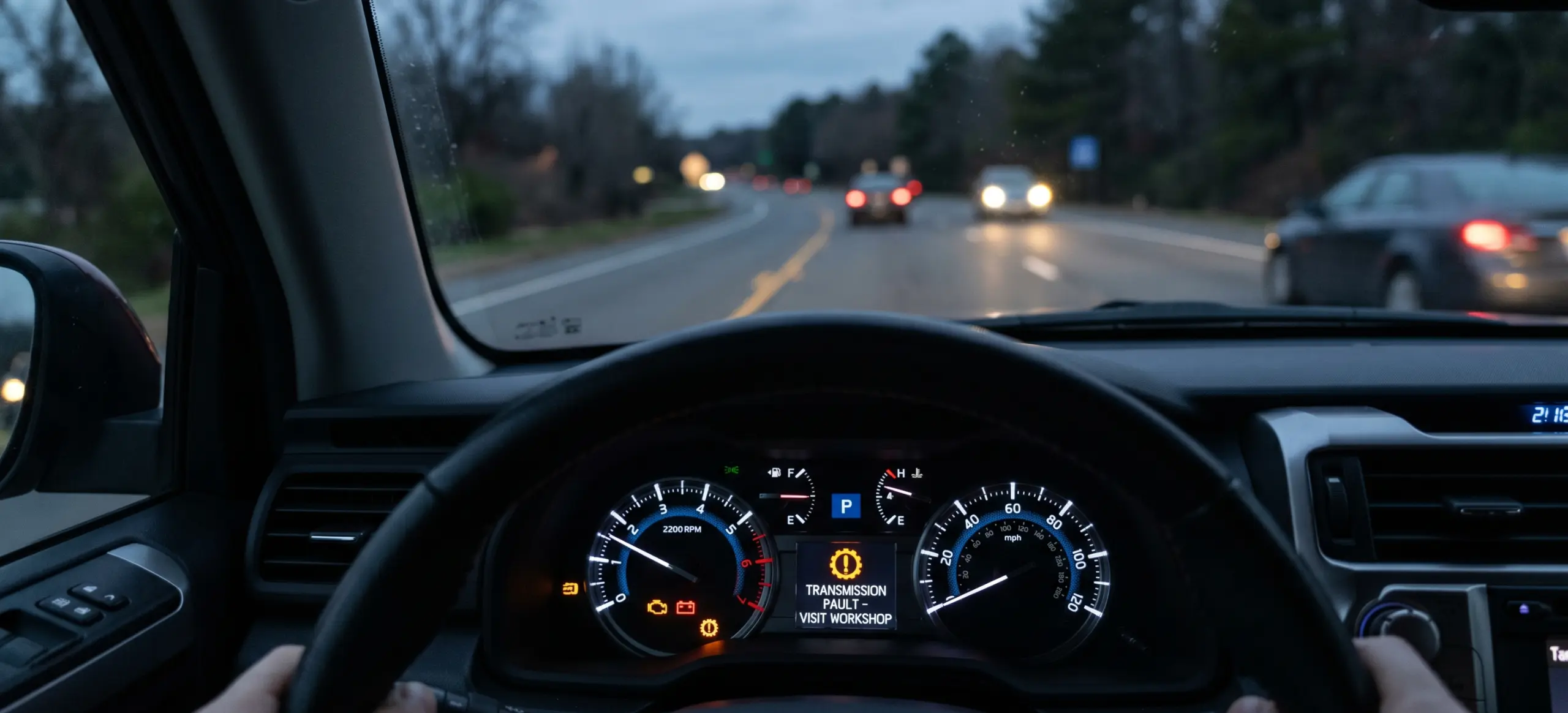
7. Transmission Problems
The transmission is responsible for delivering power from the engine to the wheels. Hesitation during acceleration can occur if the transmission fluid is low, dirty, or if there’s an internal issue with the transmission system.
Solution:
Check your transmission fluid levels and top up or replace the fluid if necessary. If the problem persists, seek professional help to diagnose transmission issues.
8. Vacuum Leaks
Your engine relies on a vacuum system to control various components. A leak in this system can disrupt the air-fuel mixture, leading to hesitation and rough idling.
Solution:
Inspect the vacuum lines for cracks or leaks and replace any damaged hoses. A mechanic can also perform a smoke test to pinpoint hidden leaks.
9. Exhaust System Blockages
A clogged catalytic converter or exhaust system can restrict the flow of exhaust gases, causing a reduction in engine performance and hesitation during acceleration.
Solution:
Have the exhaust system inspected. Cleaning or replacing the catalytic converter may resolve the issue.
10. Electronic Control Unit (ECU) Problems
The ECU is your car’s brain, controlling various engine functions. If it malfunctions or has outdated software, it can cause hesitation during acceleration.
Solution:
Visit a mechanic or dealership to have the ECU scanned for errors. Reprogramming or replacing the unit may be necessary.
Preventative Measures to Avoid Acceleration Hesitation
- Regular Maintenance: Stick to your vehicle’s maintenance schedule, including oil changes, air filter replacements, and spark plug inspections.
- Use Quality Fuel: Poor-quality fuel can clog injectors and harm engine performance. Choose fuel from reputable gas stations.
- Keep Fluids Topped Up: Regularly check and maintain engine oil, transmission fluid, and coolant levels.
- Listen to Your Car: Pay attention to unusual sounds, vibrations, or warning lights. Addressing small issues early can prevent major problems.
When to Seek Professional Help
While some of these problems can be resolved with DIY solutions, others require specialized tools and expertise. If you experience persistent hesitation despite following the tips above, consult a certified mechanic. They can perform a comprehensive diagnostic test to identify the root cause and ensure your car runs smoothly.
Final Thoughts
Car hesitation during acceleration is often a sign that something isn’t functioning correctly in your vehicle.
Understanding the possible causes and taking timely action can save you from costly repairs and ensure your car operates safely and efficiently.
Whether it’s a simple fix like replacing a dirty air filter or a more complex repair, addressing the issue promptly is always the best approach.
By staying proactive and attentive to your car’s needs, you can enjoy a smoother driving experience and peace of mind on the road.