Your car’s water pump is the unsung hero of the cooling system. It ensures the smooth circulation of coolant, keeping the engine from overheating and maintaining optimal performance.
But like any mechanical component, the water pump is not immune to wear and tear. A failing water pump can lead to significant engine problems if not identified and addressed early.
In this guide, we’ll walk you through the symptoms of a failing water pump so you can spot potential issues before they escalate.
What Does a Water Pump Do?
The water pump is a crucial part of your car’s engine cooling system. It pushes coolant through the engine block, radiator, and hoses, ensuring the engine remains at a stable operating temperature. Without it, your engine could overheat, leading to costly repairs or even complete engine failure.
Key Symptoms of a Failing Water Pump
Recognizing the warning signs of a failing water pump can save you from unexpected breakdowns and expensive repairs.
Here are the most common symptoms to watch for:
1. Overheating Engine
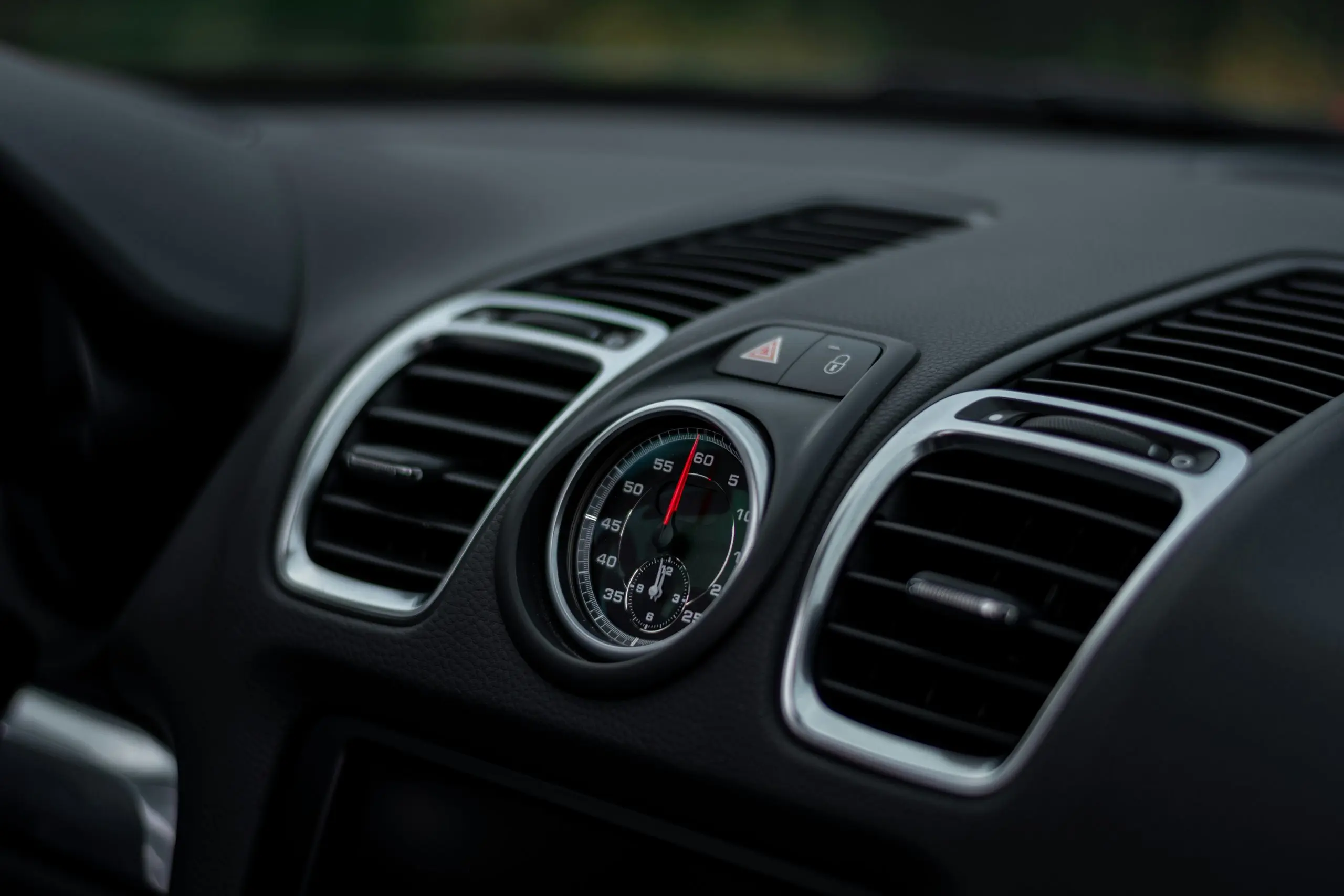
One of the earliest and most noticeable signs of a failing water pump is engine overheating. If the pump can’t circulate coolant effectively, the engine’s temperature will rise, triggering the temperature gauge or warning light on your dashboard. Driving with an overheating engine can cause severe damage, so this symptom should never be ignored.
What to Do:
- Stop driving immediately if the engine overheats.
- Check the coolant level in the reservoir. Low coolant could be a contributing factor.
- Have a professional inspect the water pump and cooling system.
2. Coolant Leaks
A failing water pump often develops leaks around its seals and gaskets. These leaks can result in coolant dripping under your car, typically near the front of the engine bay. Coolant is usually green, orange, or pink, and it may have a sweet smell.
What to Do:
- Inspect the ground under your car for puddles of coolant.
- If you notice leaks, schedule a repair immediately. Ignoring this issue can lead to overheating and more severe problems.
3. Unusual Noises
A water pump that’s about to fail might make strange noises, such as whining, grinding, or squealing. These sounds often occur due to a worn-out bearing or loose pulley inside the pump.
What to Do:
- Listen for these noises when your engine is running.
- Have a mechanic examine the pump’s bearings and pulley system to determine the source of the sound.
4. Steam from the Radiator
If you see steam rising from the front of your car, it’s a clear sign that your engine is overheating. A failing water pump may be unable to circulate coolant properly, leading to excessive heat build-up.
What to Do:
- Pull over safely and turn off the engine.
- Wait for the engine to cool down before checking the coolant level.
- Do not attempt to open the radiator cap while the engine is hot to avoid burns.
5. Corrosion or Rust on the Pump
Inspecting your water pump can reveal physical signs of damage, such as rust, corrosion, or pitting. These can occur due to contaminated coolant or long-term exposure to air.
What to Do:
- Look for visible damage during regular maintenance or if you suspect an issue.
- Replace the water pump if corrosion has compromised its integrity.
6. Erratic Temperature Gauge Behavior
If your temperature gauge fluctuates wildly or shows inconsistent readings, it could indicate that the water pump isn’t maintaining proper coolant flow. This symptom often accompanies other issues like overheating or leaks.
What to Do:
- Monitor your temperature gauge while driving.
- If the gauge behavior is erratic, have a mechanic inspect the cooling system, including the water pump.
Preventing Water Pump Failure
While water pumps don’t last forever, you can extend their lifespan and avoid sudden failures by following these tips:
- Regular Maintenance: Stick to your car’s recommended maintenance schedule. Replace coolant as specified to prevent contamination and corrosion.
- Watch for Early Symptoms: Pay attention to any unusual signs or sounds. Addressing minor issues early can prevent bigger problems.
- Professional Inspections: Have a trusted mechanic inspect the cooling system during routine checkups. They can catch problems before they worsen.
When to Replace Your Water Pump
Water pumps typically last between 60,000 to 100,000 miles, depending on the vehicle and usage. Many mechanics recommend replacing the water pump when changing the timing belt, as these components often wear out around the same time.
Signs It’s Time to Replace:
- Multiple symptoms of failure, such as overheating, leaks, or noise.
- Visible damage like corrosion or cracks.
- High mileage with no prior replacement.
Final Thoughts
Your car’s water pump is vital for keeping the engine cool and running smoothly. Knowing the symptoms of a failing water pump can help you take swift action and avoid more serious engine problems. Regular maintenance and prompt repairs are the keys to ensuring your car stays reliable on the road.
If you suspect your water pump is failing, don’t wait. Consult a professional mechanic to diagnose the issue and make necessary repairs.