You’re starting your car and notice the battery light flash on for a moment, then disappear. You might wonder: “Is something wrong with my car? Should I be worried?”
Good questions! Let’s dive deep into what it means when the battery light comes on and then goes off, why it happens, and what you should do next.
What the Battery Light Really Means
The battery light on your dashboard is part of your car’s important warning system. When this light shows up, it’s usually pointing to a problem with the charging system, not just the battery itself.
Here’s what the charging system includes:
- The Battery: Stores electrical energy that your car needs to start and run accessories like lights, radio, and power windows.
- The Alternator: Creates electricity while your engine is running. It charges the battery and powers everything electrical.
- The Voltage Regulator: Controls the amount of electricity sent from the alternator.
- Wires and Cables: Connect all these parts together.
If any one of these parts isn’t working properly, your battery light could flash, flicker, or stay on.
Why the Battery Light Comes On Then Off Again
There are several reasons why you might see your battery light come on and then go away. Let’s look at them one by one.
1. A Normal Startup Check
In many modern vehicles, it’s completely normal for the battery light to flash on right when you start the engine.
Here’s why:
- Your car’s computer system does a quick check on the battery and charging system as soon as you turn the key or push the start button.
- If everything checks out fine, the light will turn off immediately after the engine starts running.
This is nothing to worry about!
Think of it like the car’s way of giving itself a little health check every time you turn it on.
Important Tip:
If the light stays on for more than a few seconds after startup, or comes on randomly while driving, that’s when you need to take it seriously.
2. Loose or Worn Belt
Your alternator is powered by a rubber belt connected to your engine. If the belt is worn out, stretched, or slipping, it might not spin the alternator properly when you start the car.
Here’s what can happen:
- When you first turn on the car, the belt might slip a little bit, causing poor alternator performance.
- That small slip makes the battery light come on.
- After a few seconds, the belt grabs better, the alternator works properly, and the light goes off.
Signs of a worn belt:
- A high-pitched squealing noise when you start the car.
- Cracks or fraying visible on the belt.
Why it matters:
A slipping belt could eventually break, which would leave you without power steering, air conditioning, or even a running engine!
If you hear squeals or the light comes on often, you should have your belt inspected soon.
3. Weak Alternator
The alternator is the heart of your car’s charging system. It’s what keeps your battery charged while you’re driving.
If your alternator is weak or failing, it might not produce enough electricity when the car first starts.
Here’s what happens:
- At low engine speeds (like idling right after starting), a weak alternator struggles to charge.
- As the engine revs up (when you drive away), the alternator spins faster and starts producing enough power, making the battery light turn off.
Warning Signs of a Weak Alternator:
- Dim or flickering headlights.
- Dashboard lights looking strange.
- Battery dying even though it’s fairly new.
Don’t ignore it!
A failing alternator can eventually leave you stranded with a dead battery — possibly in the worst place, like the side of the road or a parking lot at night.
4. Loose or Corroded Battery Connections
Sometimes, the problem isn’t deep inside the alternator or battery—it’s right on top.
Loose or corroded battery cables can:
- Prevent the battery from getting a good electrical connection.
- Cause the battery light to flicker or turn on at startup.
- Clear up after a few seconds as the car vibrates and shakes the cables into a better connection.
How to check:
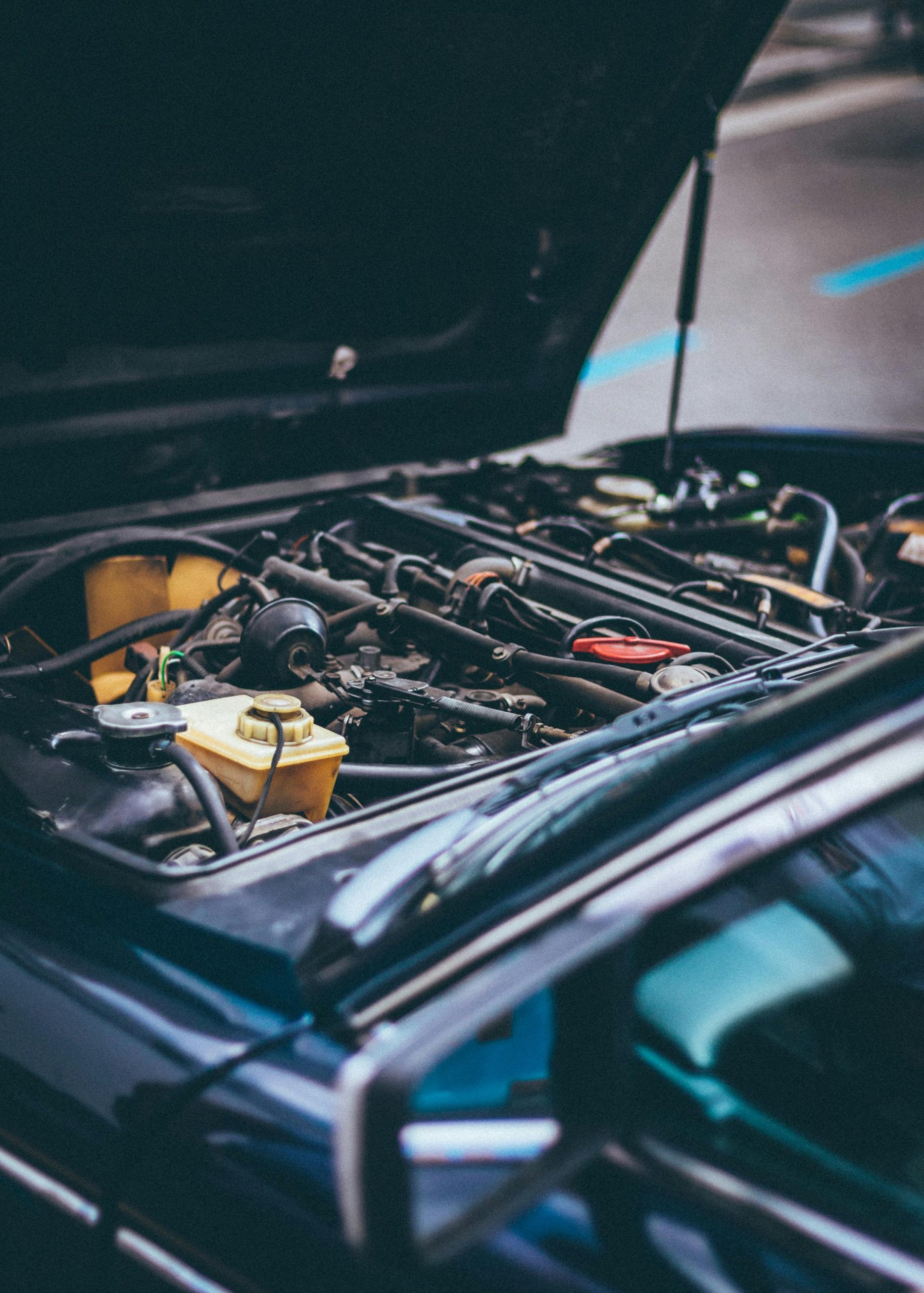
- Open the hood and inspect your battery terminals.
- Look for white, blue, or green powder (that’s corrosion).
- Wiggle the battery cables gently (they should be tight, not loose).
If they’re dirty or loose, clean them carefully with a brush and tighten the clamps.
Just doing this simple maintenance can sometimes solve the battery light issue!
5. Failing Voltage Regulator
The voltage regulator manages how much power the alternator sends to the battery and electrical systems.
If it’s going bad, it can cause small, random surges or drops in electrical power.
What you might notice:
- The battery light turns on briefly.
- Headlights flicker or get dimmer.
- Radio or dashboard electronics behave strangely.
A bad regulator is serious because it can lead to overcharging (damaging the battery) or undercharging (causing battery drain).
What You Should Do Next
If your battery light comes on and off, here’s a simple plan to follow:
Step 1: Pay Attention
Don’t ignore the light. Instead, take notes:
- When does the light come on? (Startup only? Driving?)
- How long does it stay on?
- Are there weird noises or dim lights?
This information helps when you or a mechanic need to find the real problem.
Step 2: Check Battery and Cables
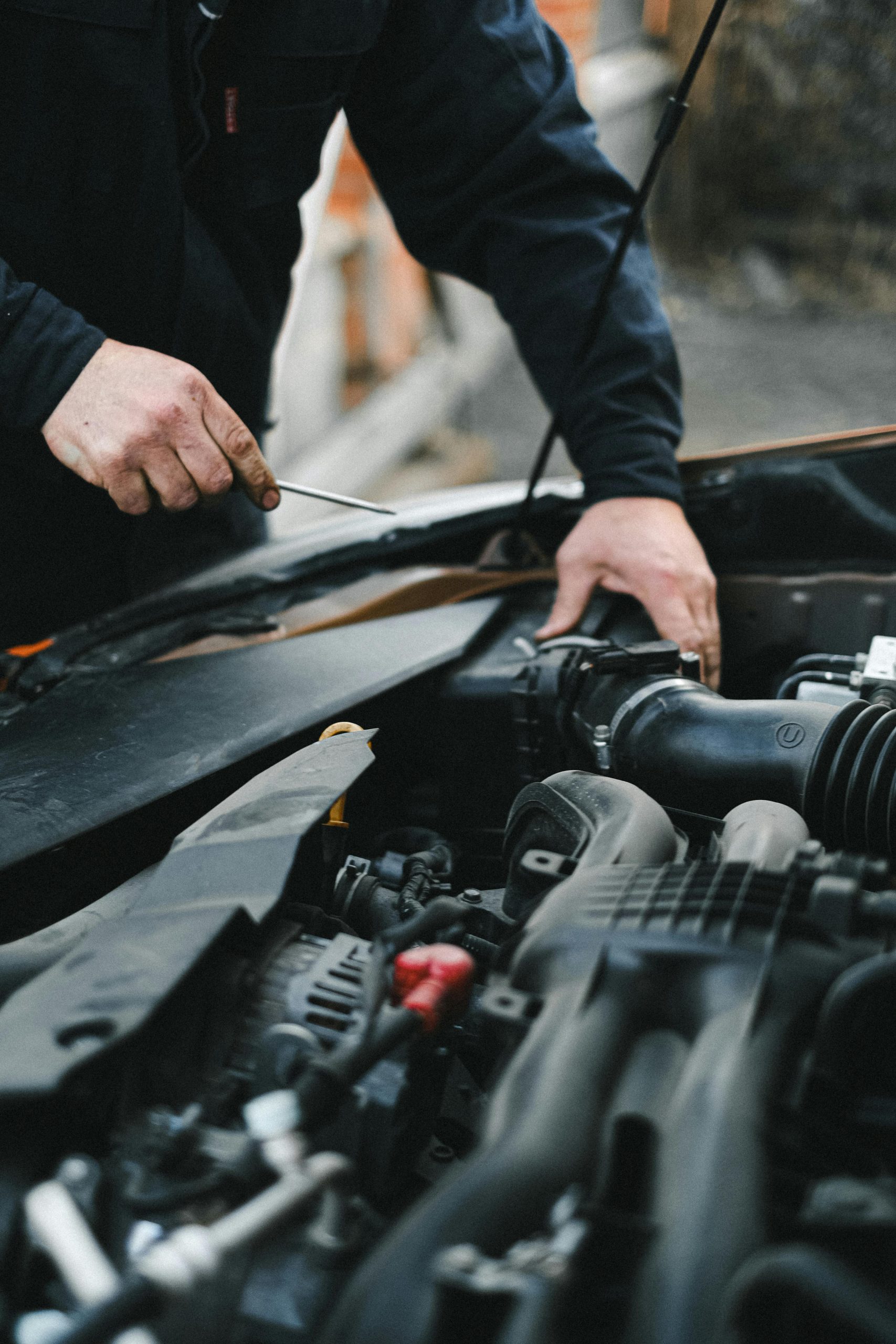
If you’re comfortable, pop the hood and look at the battery:
- Make sure the cables are tight and clean.
- Look for any corrosion around the terminals.
If the cables are loose or dirty, clean them with a wire brush and baking soda-water solution.
Step 3: Listen for Noises
When you start the car, listen carefully:
- If you hear a squeal, it’s probably a slipping belt.
- No noise but a light flash? It might be alternator or wiring issues.
Noises can give you big clues about what’s wrong without needing fancy tools.
Step 4: Get a Free Charging System Test
Many auto parts stores (like AutoZone, O’Reilly Auto Parts, and Advance Auto Parts) offer free battery and alternator testing.
They can check:
- Battery health
- Alternator output
- Voltage regulator function
It usually takes less than 10 minutes and can help you catch problems early.
Step 5: Visit a Mechanic If Needed
If the light stays on, flickers often, or if the free test shows a problem, don’t wait. Take your car to a trusted mechanic. Fixing small issues early can save you hundreds of dollars later.
What Happens If You Ignore It?
Here’s what could go wrong if you ignore a flashing battery light:
- Your car’s battery could die suddenly.
- You could stall while driving, especially at night.
- Power steering and brakes might not work if the engine stops.
- Repair bills will likely be higher later.
Taking action early is always smarter and safer.
Final Thoughts
If your battery light comes on and then off again, it’s usually not a big problem, especially if it happens only at startup.
But if the light stays on longer, flickers while driving, or you notice strange sounds, don’t ignore it.
Small issues like loose connections, a weak alternator, or a worn belt can turn into bigger problems fast. Checking things early can save you time, money, and stress.
Always pay attention to your car’s warning signs—your battery light is there to protect you, not scare you.